Edges of Unmaking
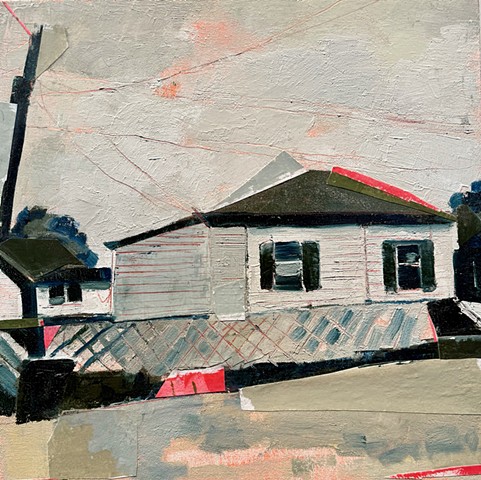
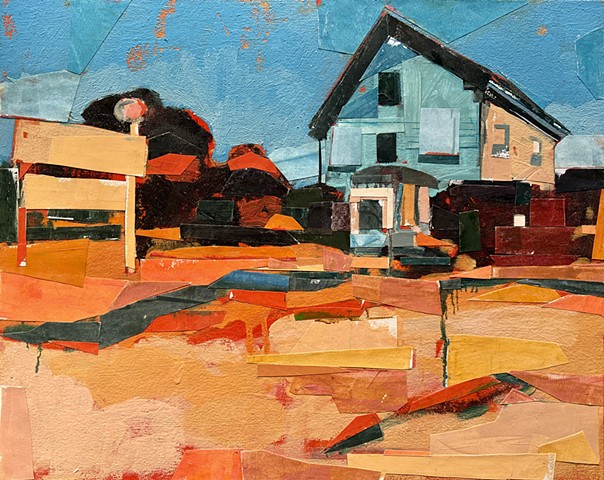
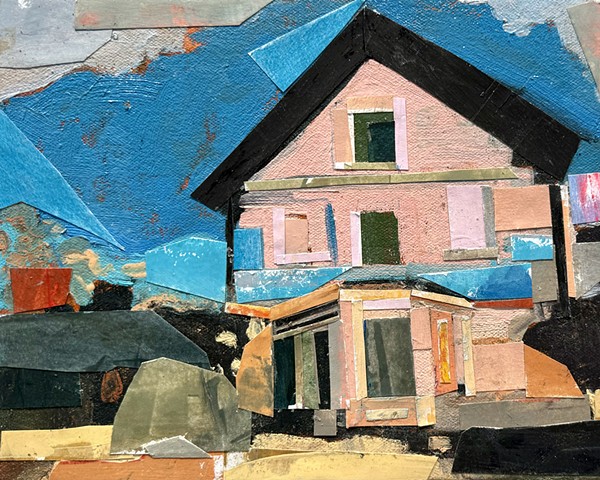
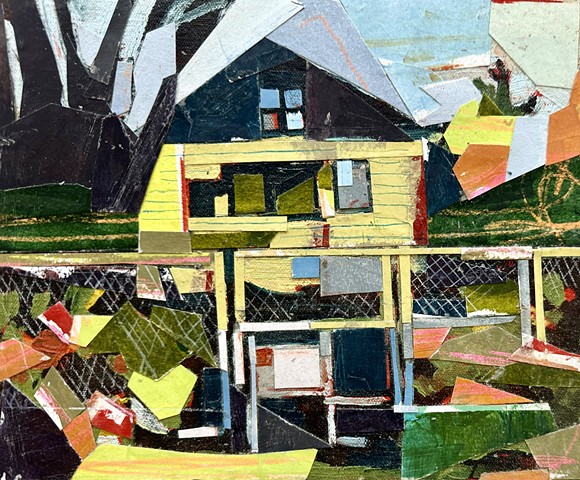
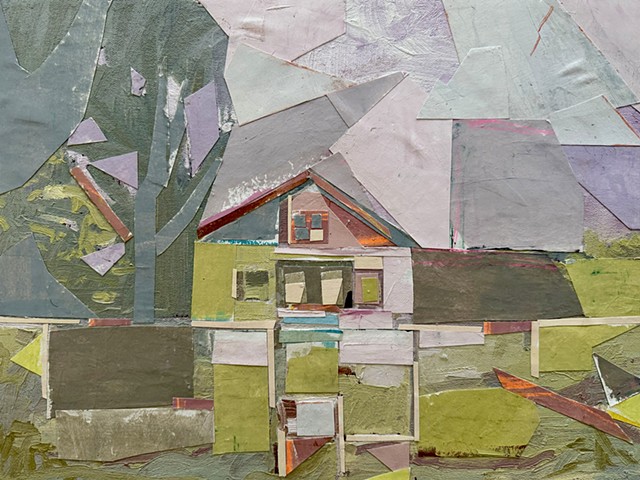


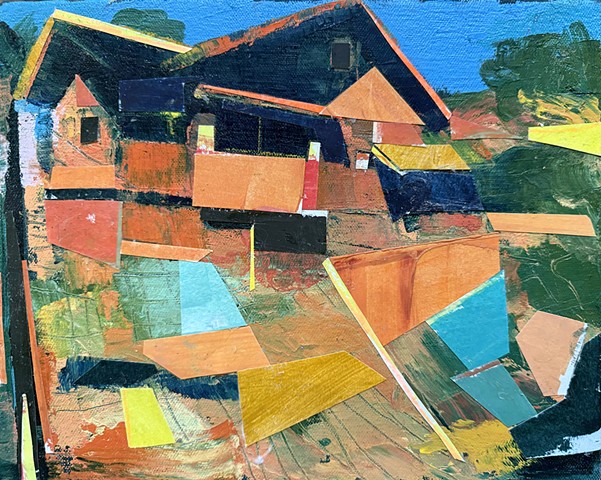
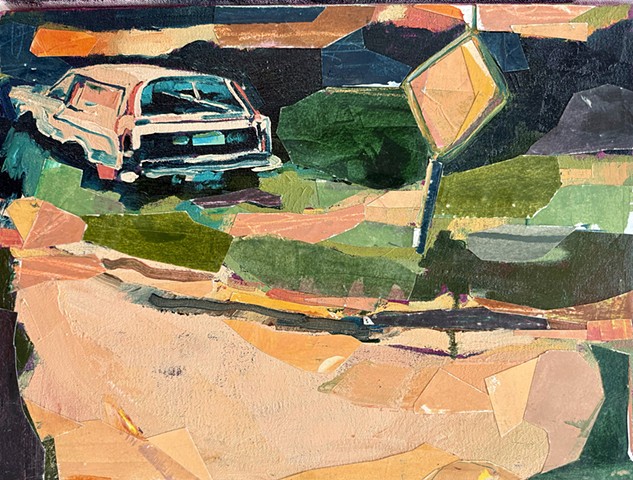

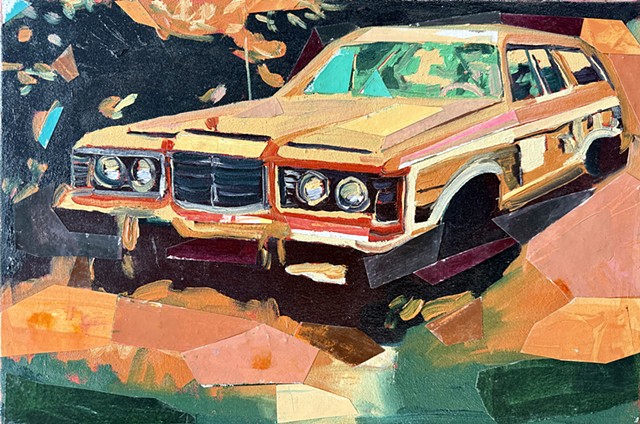
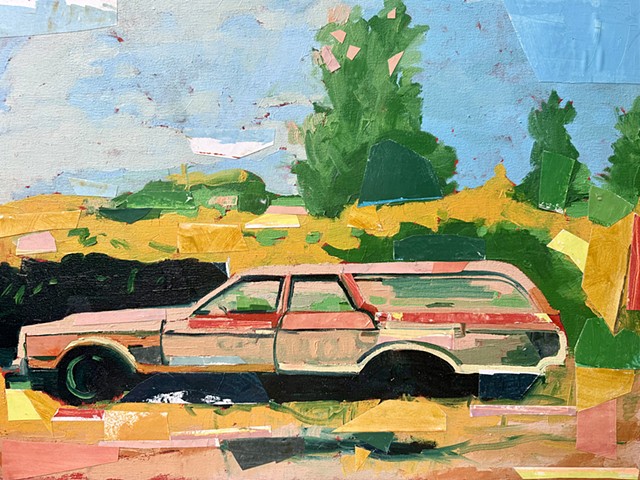
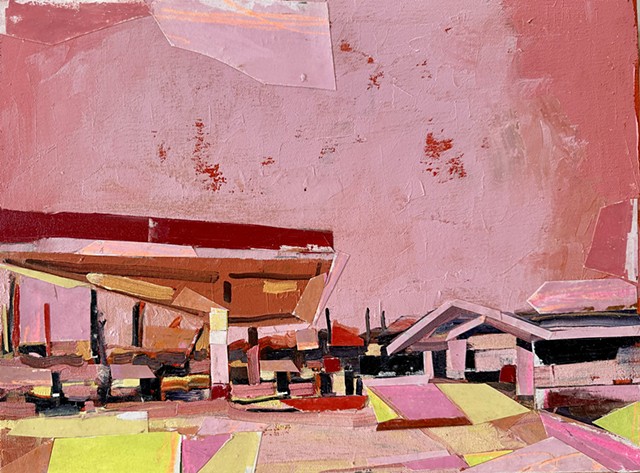
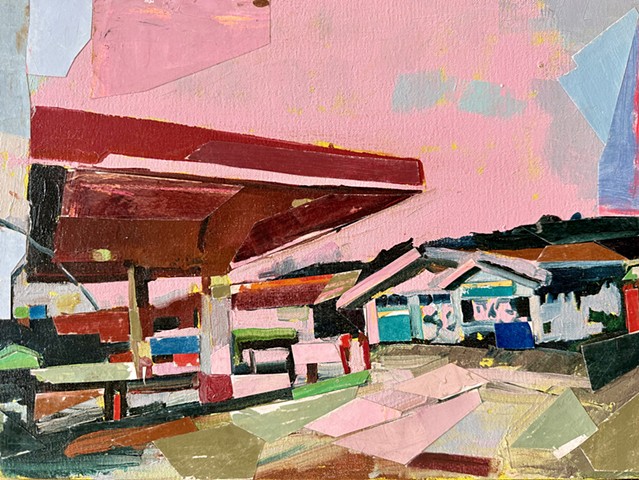
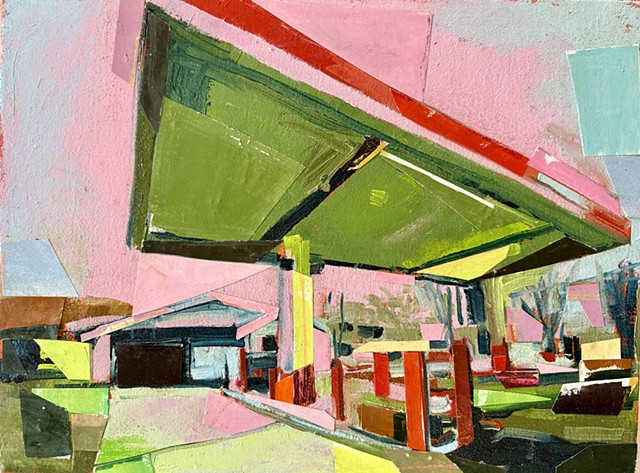
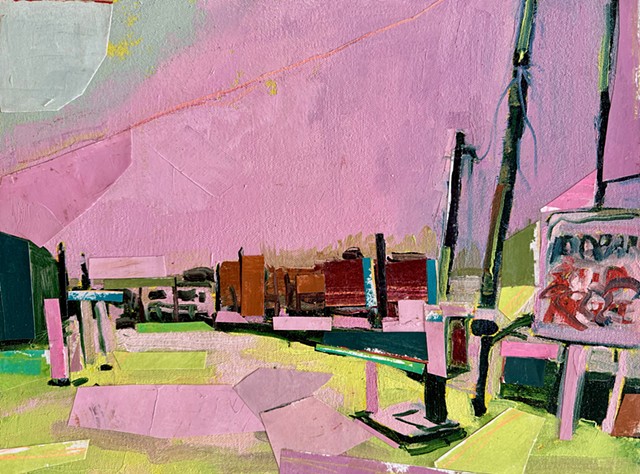
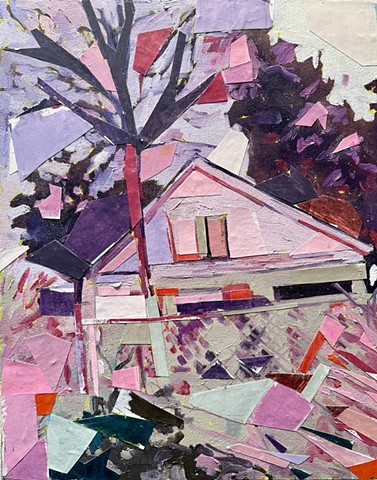
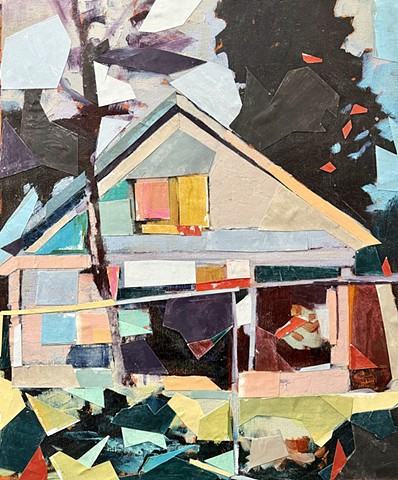
I am a painter whose work explores the idea of place-urban environments, rural landscapes, and the natural world. This is where memory, history, and experience accumulate. My process often begins with photography, which functions as an extension of drawing: a way to quickly record moments, structures, and encounters that capture my attention. In particular, my photographs of boarded-up houses and aging buildings document spaces that feel precarious, transitional, and charged with an uncertain future.
My recent paintings continue an ongoing examination of Seattle’s changing landscape. Many of the boarded-up houses and aging commercial buildings represented in these works have since been demolished and replaced by sleek mixed-use developments and condominiums. Their disappearance raises questions about what else is lost when familiar places vanish. What memories, stories, and connections are erased when the physical spaces that quietly shaped our daily lives no longer exist?
I am drawn to overlooked structures whose histories remain largely invisible. They resemble postcards, but not the picturesque scenes we typically preserve. Instead, they serve as records of a city in transition, asking viewers to reconsider the value of places that often go unnoticed until they are gone. I am fascinated by the way a structure can continue to hold meaning after its original purpose has become obsolete. What traces of ordinary and extraordinary lives remain embedded within its walls?
In the studio, photographs are sometimes fragmented, layered with painted paper and collage, and gradually reconstructed through oil paint. This process mirrors the way memory itself is formed: incomplete, layered, and continually rewritten. Fragments remain visible within the surface, much as traces of the past continue to shape our understanding of place.
A recent shift in my process emerged after creating collages from my own paintings. I began incorporating hand-painted paper made from leftover oil paint, first building thin layers of paint and allowing them to dry before applying cut paper forms to the surface. This approach introduced an element of surprise and playfulness that felt new within my practice. The tension between the hard edges of the collaged shapes and the more organic movement of brushwork became a compelling visual parallel to the tension within the subject matter itself such as the coexistence of permanence and disappearance, structure and decay.
The collaged elements appear to move between the surface and the space beneath it, at times embedded within the painting and at others sitting distinctly on top. Their colors guide the viewer’s movement through each composition, creating moments of focus and interruption, but also discovery.
These paintings are ultimately less about architecture than about the quiet repositories of memory held within the built environment. As Seattle continues to transform, these works become acts of witnessing like preserving traces of buildings, histories, and human experiences that might otherwise disappear without notice.